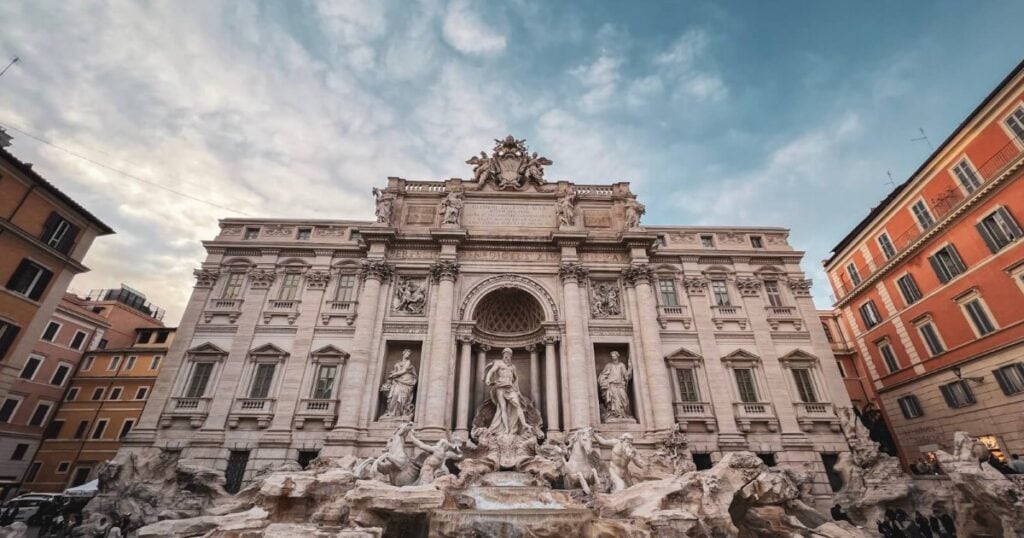
Italy Travel Guide
Ciao! Welcome to Italy, a country known for its rich history, stunning architecture, and mouthwatering cuisine. From the bustling streets of Rome to the rolling hills of Tuscany to the romantic canals of Venice, Italy is a country that inspires wanderlust in every traveller. Whether you’re exploring the winding streets of Florence, soaking up the sun on the Amalfi Coast, or savouring a delicious plate of pasta in a charming trattoria, Italy is sure to leave a lasting impression.


When to Travel to Italy
The best time to visit Italy depends largely on what you want to do and see during your trip. In the more northern regions, it can be quite cool and humid, whereas the southern summers can be as hot as 35°C!
Generally speaking, the high season for tourism in Italy is from June to August when the weather is warm and sunny, and many attractions are open. However, this is also the busiest time of year, and prices for accommodation and flights tend to be higher. If you don’t mind the crowds and want to enjoy Italy’s beaches, summer is a great time to visit.
For those who prefer fewer crowds and milder temperatures, the best time to visit Italy is in the shoulder seasons of April to May or September to October. During these months, you can enjoy pleasant weather, fewer tourists, and lower prices. Keep in mind that the weather can be unpredictable, and you may encounter some rain, particularly in the northern regions of the country.
Winter, from November to March is also a good time to visit Italy if you don’t mind the cooler weather and shorter daylight hours. This is the low season for tourism, and you can take advantage of lower prices and fewer crowds. Winter is also an ideal time to explore Italy’s museums and galleries, as well as indulge in hearty comfort food like pasta and risotto.


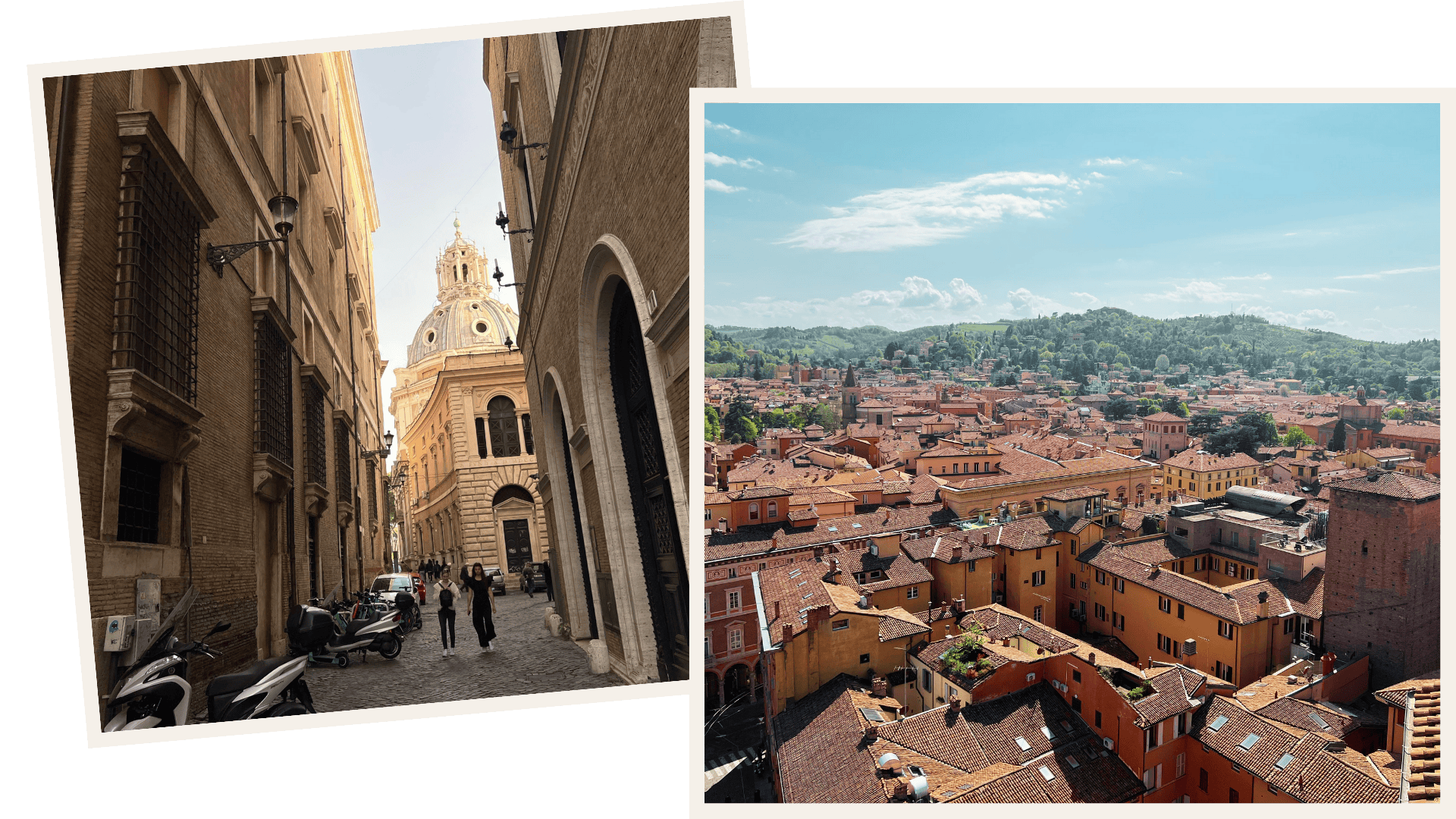
Where to travel in Italy


Northern Italy is home to Italy’s economic and cultural capital, Milan, as well as other major cities like Turin, Venice, and Bologna. Northern Italy is known for its stunning alpine scenery, beautiful destinations like Lake Como, and world-renowned wine regions like Piedmont and Tuscany.


Southern Italy is known for its laid-back vibe, stunning coastline, and delicious cuisine. Cities like Naples and Bari offer a glimpse into Italy’s rich history and authentic Italian life, while the rugged coastline of Puglia and the Amalfi Coast are for those seeking sun, sea, and sand. The region is also home to ancient ruins like Pompeii and the breathtaking landscapes of the Apennine Mountains.


Central Italy is home to some of Italy’s most iconic landmarks, including the Colosseum in Rome, and the Vatican City. the smallest country in the world, the Leaning Tower of Pisa, and the beautiful cities of Florence and Siena in Tuscany. The region is also famous for its stunning coastline, particularly Cinque Terre.


Italian Islands – Italy has two major islands, Sicily and Sardinia, as well as smaller islands like Capri and Ischia. These islands offer a unique blend of history, culture, and natural beauty, with stunning beaches, ancient ruins, and delicious cuisine.
Common Questions for Italy Travel
- Capital: The capital of Italy is Rome.
- Currency: The currency in Italy is the Euro.
- Language: The most common language spoken in Italy is Italian, but English is also widely spoken.
- Time Zone: The time zone in Italy is GMT+2.
- Entry Requirements: From late 2023, non-EU citizens aged 18 to 70 years old must complete an ETIAS visa-waiver form before their trip and pay a £6.20 (€7 or $7.25) to enter European countries within the Schengen Area.
- Plug: USA plugs are type C, F, and L with a typical voltage of 230 V and frequency of 50Hz. If you’re from the UK or further afield, this adaptor will come in pretty handy.
- Must-try cuisine – Pizza, pasta, gelato (of course!). Naples is famous for its pizza, Emilia-Romagna for its lasagne, and northern Italy makes a mouth-watering risotto.

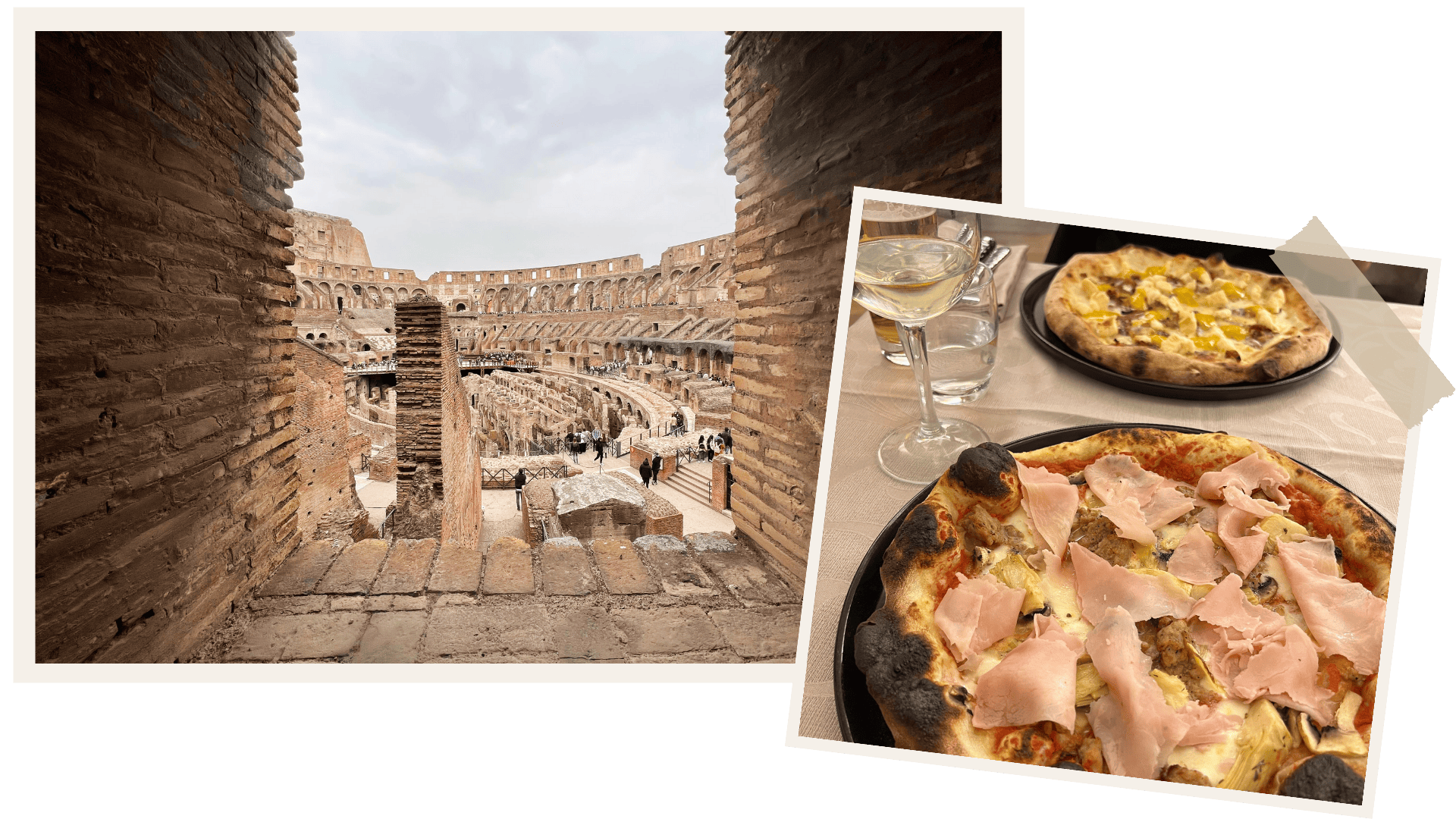
Average daily budget – Between €120-€200 per person per day. This is around £160/$195pp (Note: This is an estimated budget assuming you’re staying in a mid-range double room hotel with another person, eating at averagely priced restaurants, and using public transportation. Using budget tips you can definitely lower this number. However, if you stay in fancier accommodation and eat at posh restaurants, expect to pay more than this.)
Typical Travel Costs
Accommodation: Italian accommodation costs depend entirely on the city you’re staying in and, quite frankly, the view you want. Venice, Rome, and Milan are known for being quite pricey, whereas Bologna and Verona are a bit cheaper.
For budget accommodation, expect to pay between €75-€125 per night. For mid-range accommodation, expect between €125-€250 per night. If you want luxury accommodation, you can easily spend €250+ per night.
Click here to search for accommodation in Italy.
Eating Out: Food prices in Italy also depend on where you go. Restaurants in the main tourist areas tend to be quite pricey, but heading to where the locals eat often means a much cheaper meal. It’s entirely possible to eat a good meal in Italy for about €12. Street food in Italy is also amazing and even cheaper – you can find a slice of fresh pizza for about €5! The average coffee will set you back about €2.5, while a 2-scoop gelato will set you back about €3.
Transportation: Transportation in Italy is great. The train services make inter-city Italian travel a breeze as the country has a high-speed rail service between most of the major cities. Rome, Venice, Verona, Milan, Florence, and more are all connected by this service. It’s too good not to take advantage of and this is how we got around most of Italy. Trains can be as cheap as €20 – look on Omio for the best deals.
As for getting around the cities themselves, Italy has a reliable, affordable tram and bus service that is great for getting to almost anywhere you want to go. For some of the more remote places, however, the best way to get around is to hire a car.
Fun facts about Italy
The biggest city in Italy is Rome which is home to over 4 million people. This city is also over 2,000 years old as it was founded in 753 BC. Italy is also home to the smallest country in the world, the Vatican City, in Rome. It’s roughly 100 acres in size and the Pope is the head of state.
As such, Italy has a stunning amount of history. it has 55 UNESCO World Heritage Sites – more than any other country on the planet. Furthermore, it’s also home to the only Wonder of the World in Europe – the Colosseum of Rome.
It’s also naturally beautiful. Many of those heritage sites are natural, such as Mount Etna. Italy is also home to Europe’s only 3 active volcanoes – Etna, Stromboli, and Vesuvius.

Italy is the fifth most visited country in the world, welcoming almost 65 million people every year.
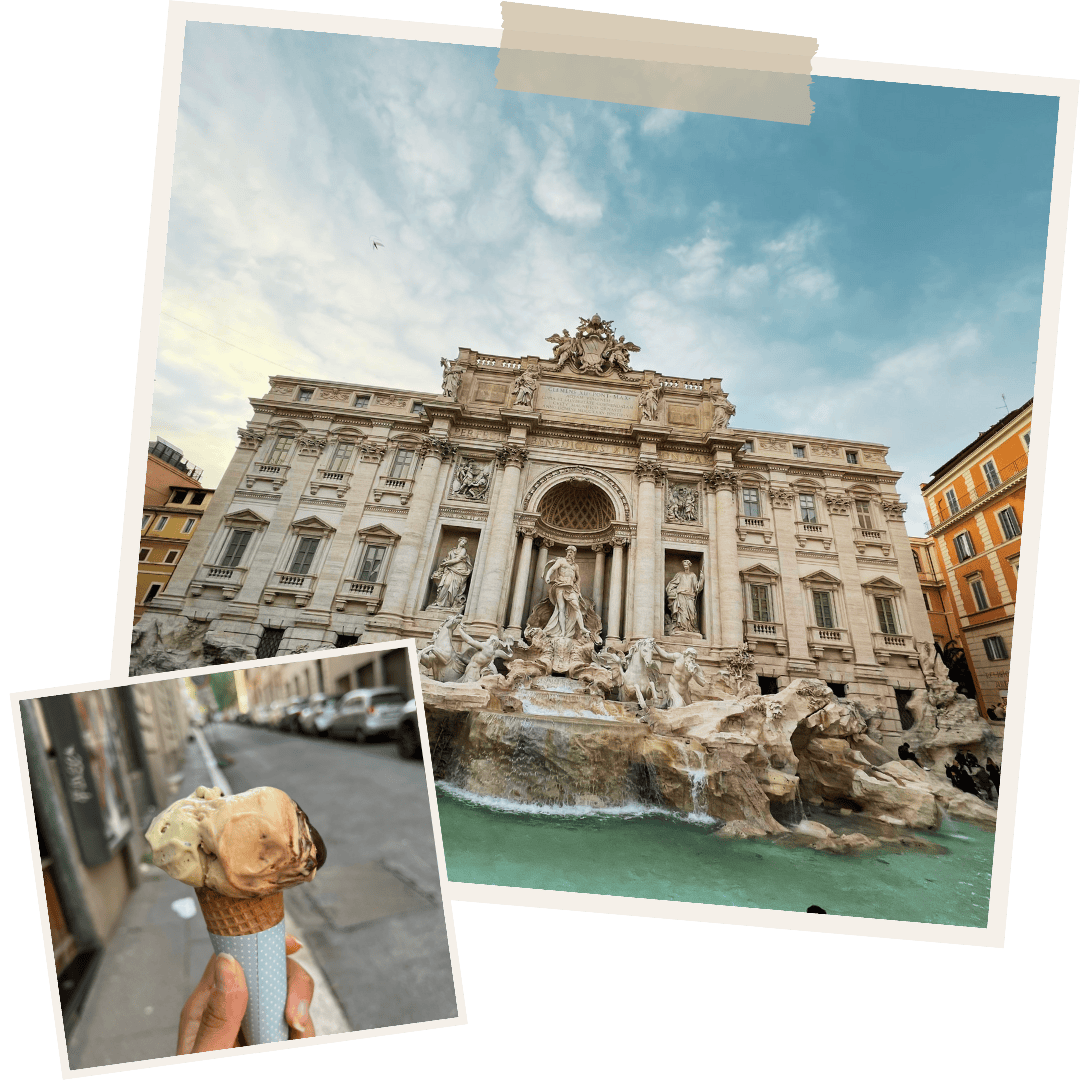
Tourists throw roughly €1,000,000 every year into the Trevi Fountain, all of which is donated to charity.
Italy is the world’s largest wine producer, producing up to 54,800 hectoliters per year.
Italy Travel Guides
- 1 Day in Rome: The Perfect 24-Hour Itinerary
- 1 Day in Milan: A Perfect Milan Itinerary
- 15 Best Beaches in Italy: Incredible Italian Beaches
- Where to Stay in Rome: The Best 8 Neighbourhoods
- 8 Best Things to Do in Cinque Terre
- The Top 10 Places to Visit in Italy
- 3 Days in Rome: A Rome Itinerary for Any Budget
- 13 Best Things to do in Bologna, Itay’s Foodie City
- 14 Amazing Things to do in Verona, Italy
- One Day in Florence: the Perfect 1-Day Itinerary
- 11 Incredible Things to Do in Pisa, Italy
- 10 Things to Do in Milan: The Best Places to Visit
- 10 Fantastic Things to Do in Sirmione, Lake Garda, Italy
- 3 Days in Venice: A Perfect Venice Itinerary for First-Timers
- 10 Most Beautiful and Best Hikes in Italy